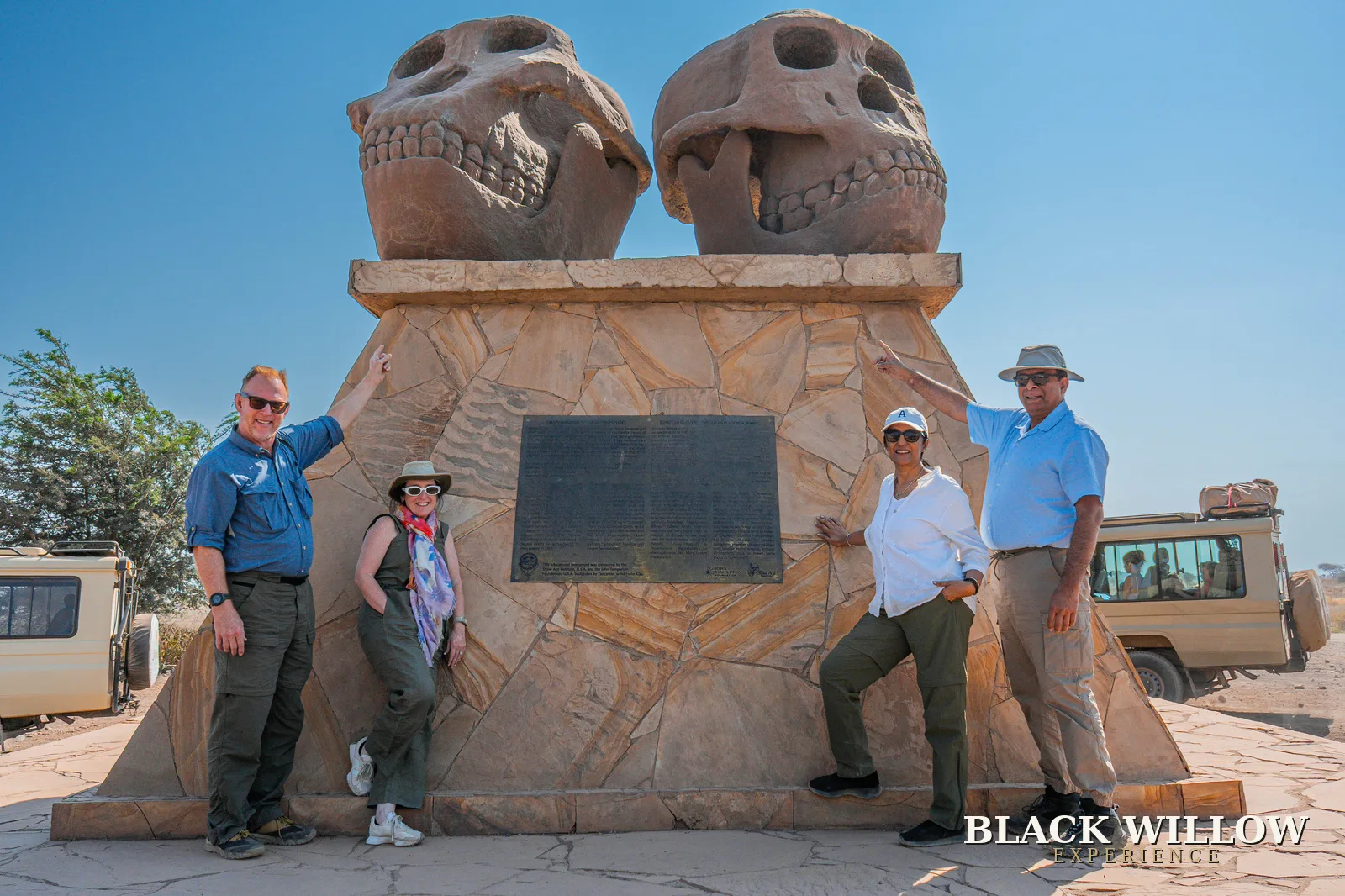
Sleep on the rim and enter at the 6:00 gate opening. The crater’s day-trip traffic arrives from Karatu between 9 and 10; by then you have had three golden hours with lions on empty tracks. This single scheduling decision is most of what separates a magical crater day from a disappointing one.
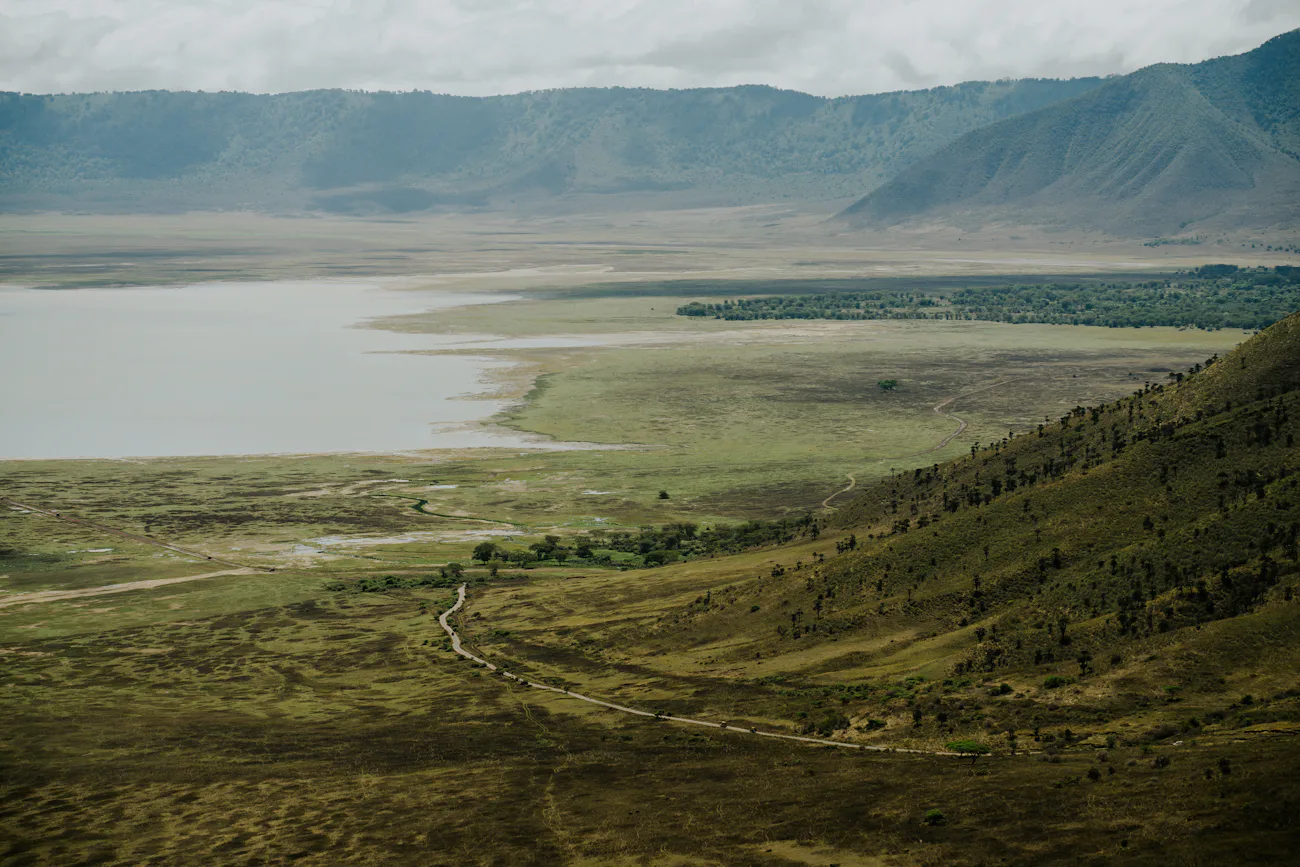
Ngorongoro
A collapsed volcano, nineteen kilometres across, holding twenty-five thousand large animals. Dawn on the floor is unforgettable — if you time it right.
| Best for | Black rhino (Tanzania’s best odds), dense lion prides, one perfect game-drive morning |
|---|---|
| Time needed | 1 night on the rim, crater floor at dawn — more is rarely better |
| Getting there | 2.5h drive from Arusha; en route to the Serengeti for most journeys |
| Fees | Crater service fee ~$295 per vehicle plus ~$83 pp conservation fee — significant, and worth one great morning |
| Pairs with | Serengeti (next door), Tarangire on the way in |
How do you beat the crowds in the crater?
What makes the crater unique?
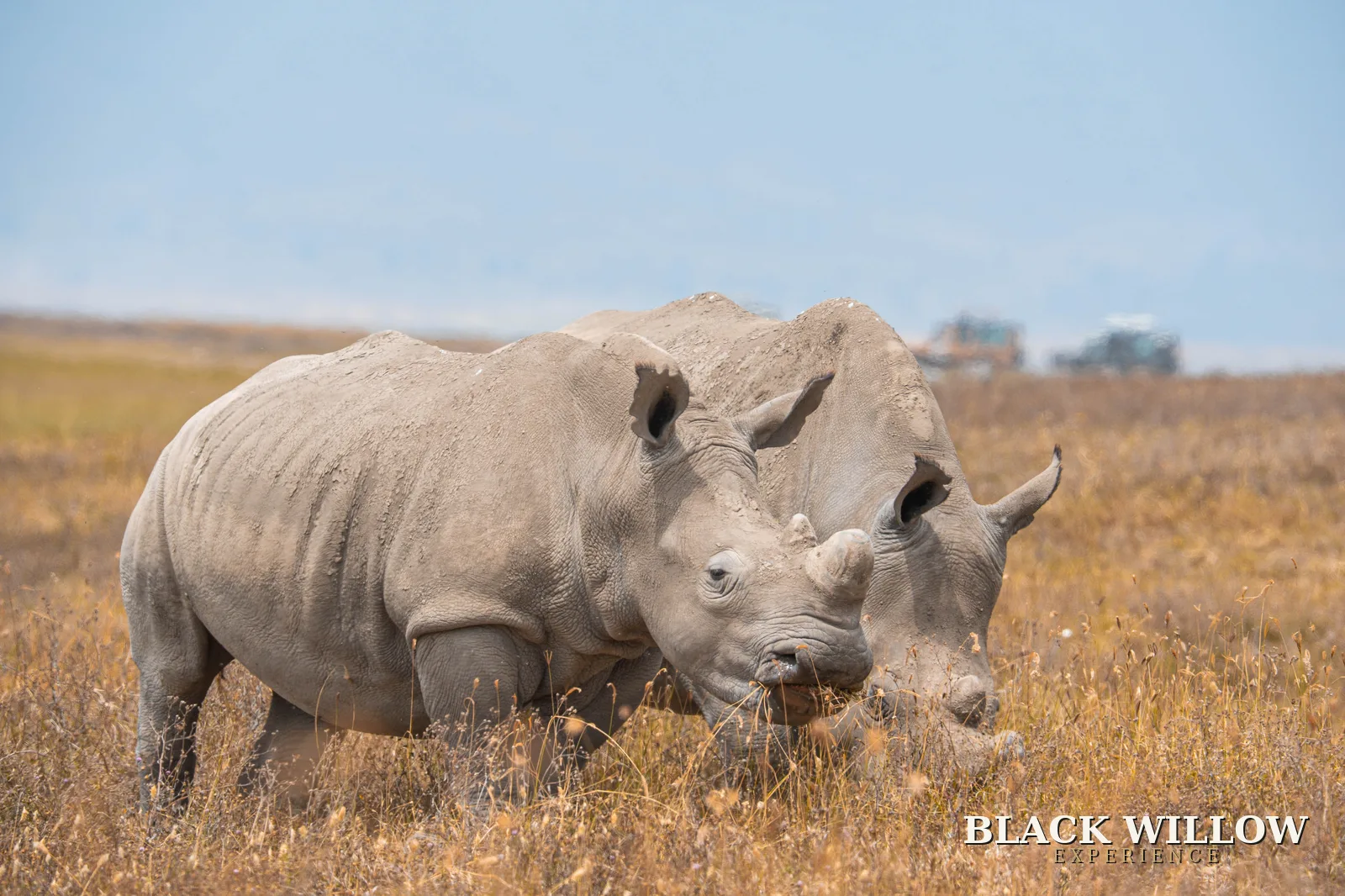
Nowhere else concentrates so much in so little space: resident lion prides that never need to migrate, huge-tusked old elephant bulls, flamingos on the soda lake, and — the reason many guests come — around 30 black rhino, the most reliably sighted population in Tanzania. Because the walls keep most animals resident, the crater is one of the very few places where a Big Five morning is genuinely plausible.
Honest trade-offs
- It gets busy — full stop. Mid-morning in high season, sightings draw a dozen vehicles. Our answer is the dawn entry and a firm exit before the peak, not pretending otherwise.
- The fees are steep. Per-vehicle and per-person fees make this the most expensive single morning in Tanzania. We think one perfect morning justifies it; a second day rarely does.
- Rim nights are cold. The rim sits at 2,300 m. Pack a real fleece; the lodges light fires for a reason.
Ngorongoro questions we answer every week
Is one day in the crater enough?
Yes — one dawn-to-early-afternoon descent sees the floor properly. The caldera is closed ecology; a second day repeats the first at full fee. Spend the saved day in the Serengeti or Tarangire instead.
Will I see black rhino?
Odds are good — the crater’s ~30 rhino are habituated to vehicles at distance and your guide will be on the radio net. But they range the Lerai forest edges, and no sighting is guaranteed. Dawn entries roughly double your chances.
When is the best time to visit Ngorongoro?
The crater works year-round — its animals don’t migrate. June–October is driest with the best roads; the green months turn the floor emerald and the light extraordinary. Only heavy April rain meaningfully hampers it.
One perfect crater morning, built into your route
Signature itineraries
Itineraries that include the Crater
Every journey below descends to the crater floor. Expand for day-by-day detail, pricing notes, and lodge selections with photos.